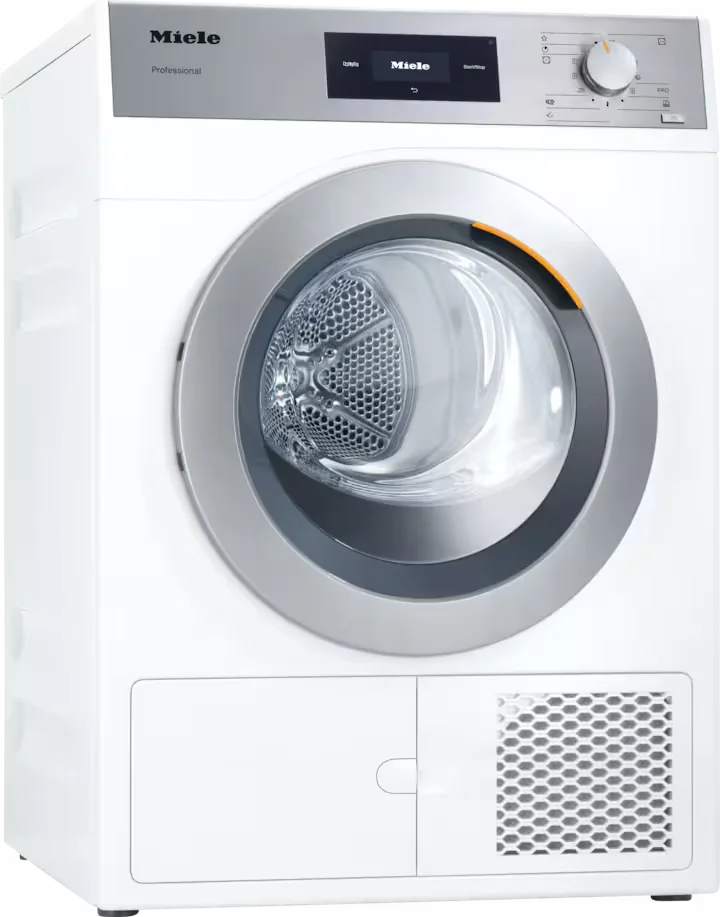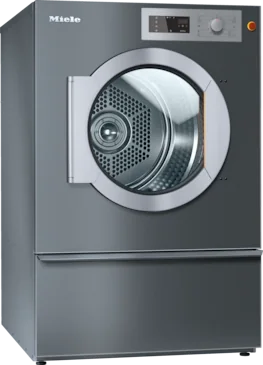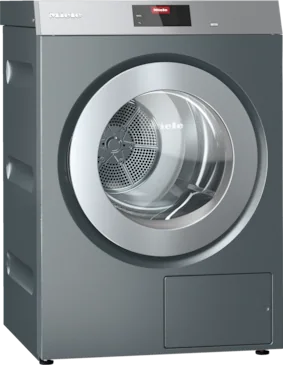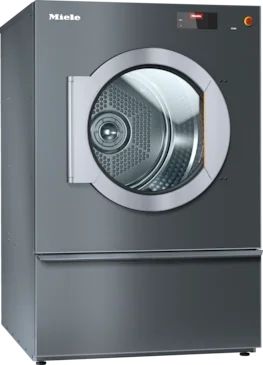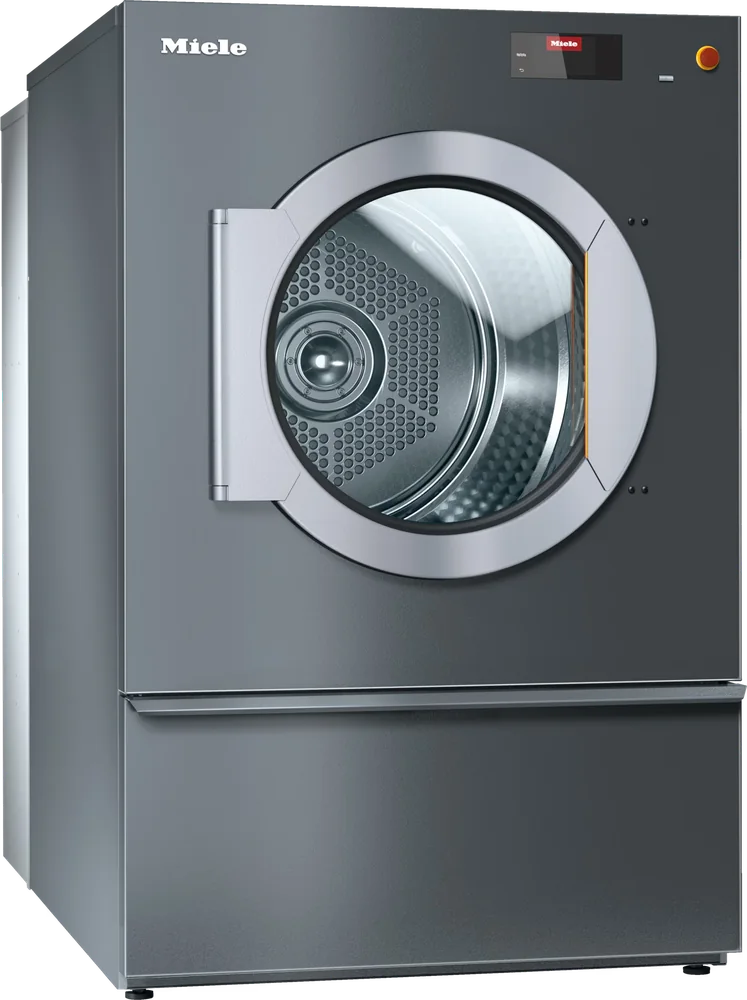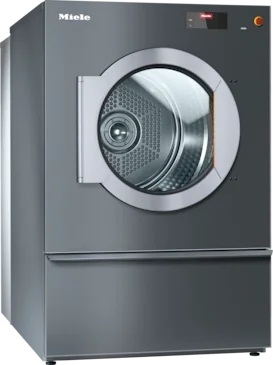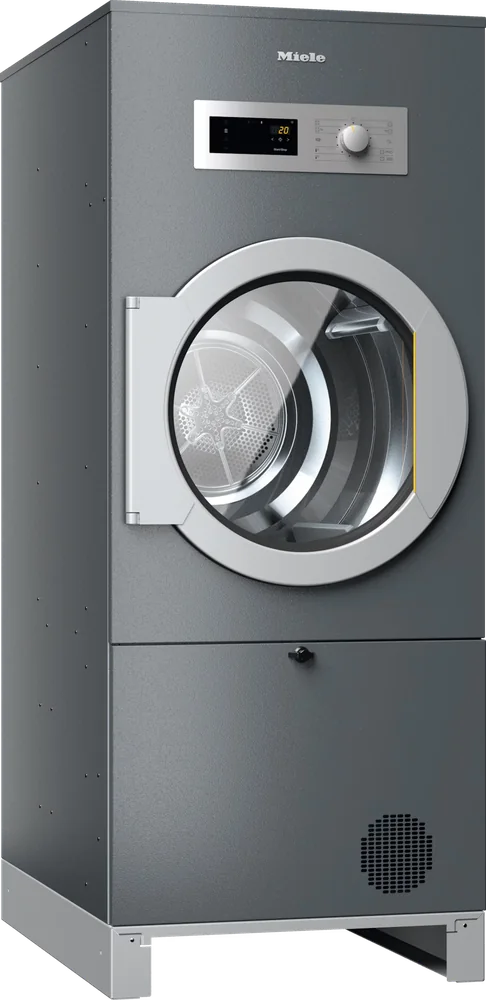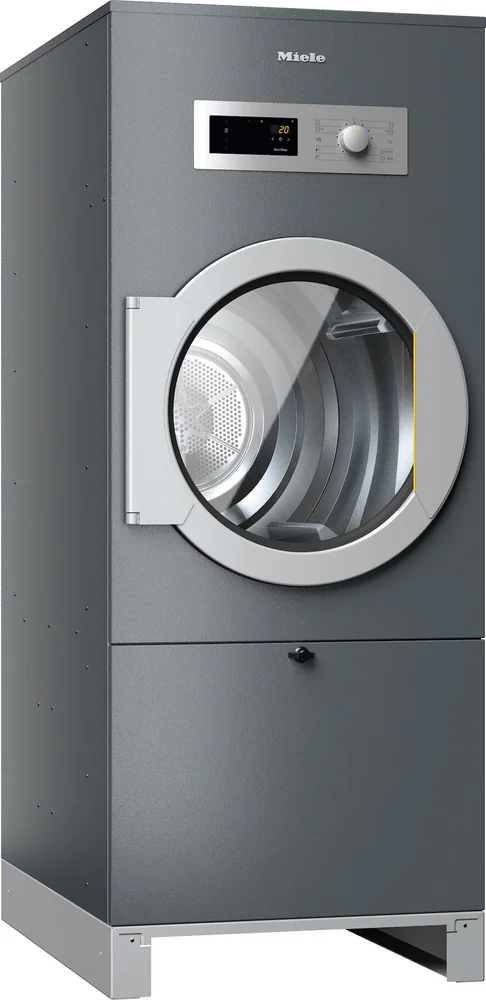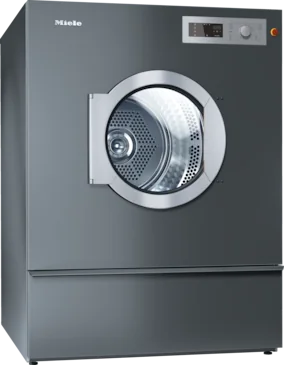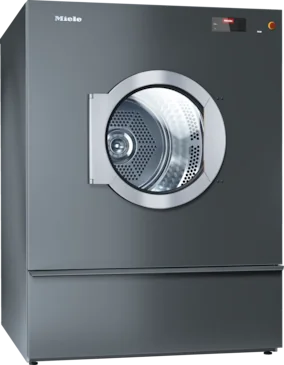
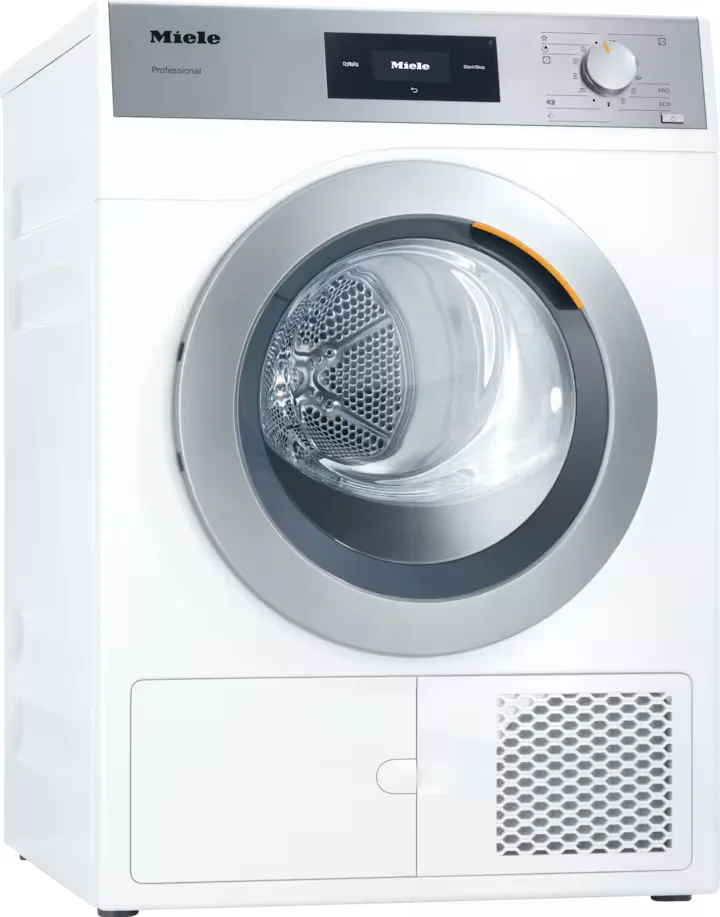
Miele PDR 508 HP P
Heat-pump dryer, 8 kg
- Load
- 8 kg
- Drum volume
- 130 l
- Technology
- heat pump
2 variants: lotus white · stainless steel
Details – Miele PDR 508 HP P
Professional dryers for businesses and institutions where washed textiles must be returned to use quickly and predictably.
21 products
No products match the selected filters.
Compact machines, stackable into a tower, for small to medium daily volumes.
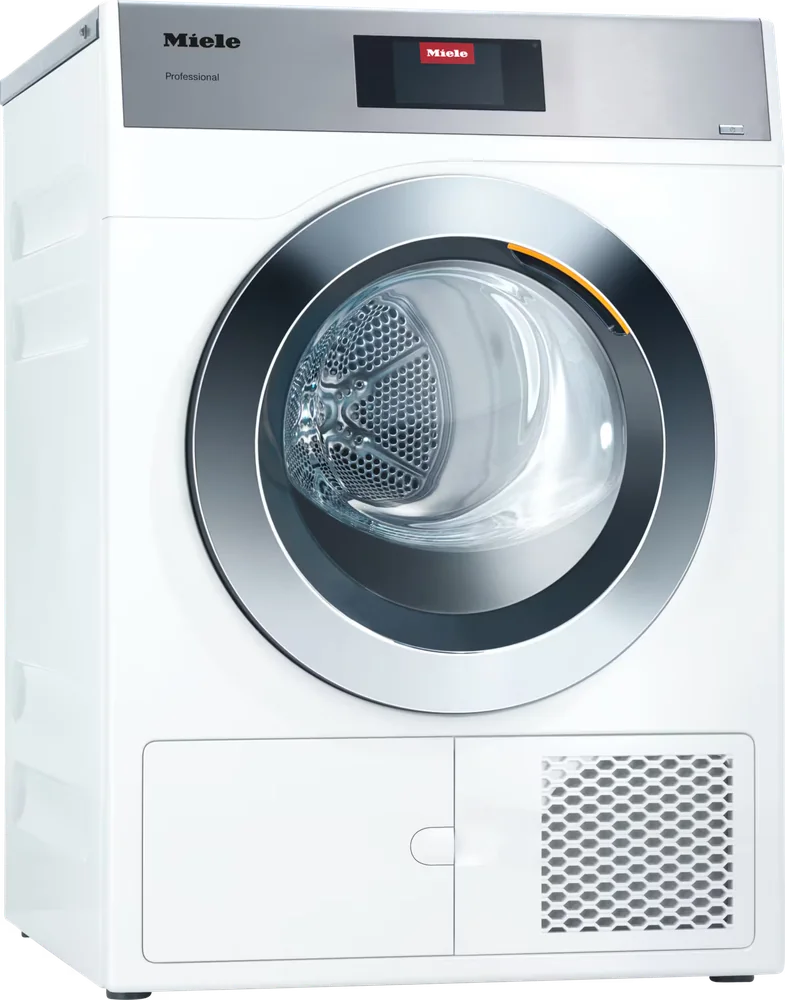
Heat-pump dryer, 8 kg
2 variants: lotus white · stainless steel
Details – Miele PDR 508 HP PVented dryer, 8 kg
2 variants: lotus white · stainless steel
Details – Miele PDR 508 ROPHeat-pump dryer, 8 kg
2 variants: lotus white · stainless steel
Details – Miele PDR 908 HP PVented dryer, 8 kg
2 variants: lotus white · stainless steel
Details – Miele PDR 908 ROPHigher capacity, programmable controls and network connectivity for intensive commercial use.
Vented dryer, 8–10 kg
Vented dryer, 10–14 kg
2 variants: electric heating · gas heating
Details – Miele PDR 514 ROPVented dryer, 13–18 kg
2 variants: electric heating · gas heating
Details – Miele PDR 518 ROPVented dryer, 16–22 kg
2 variants: electric heating · gas heating
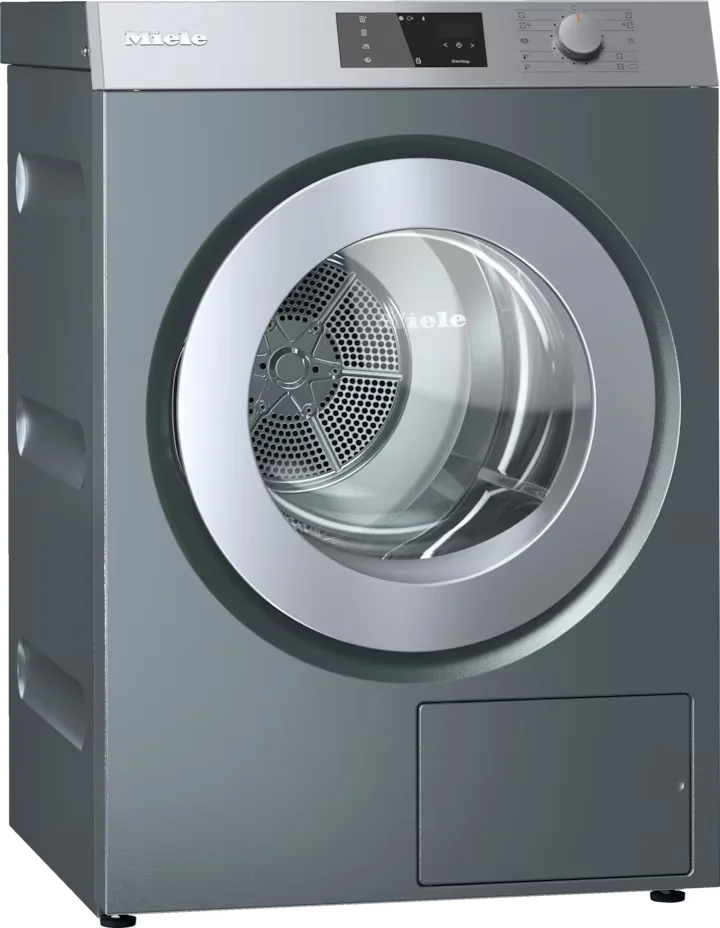
Details – Miele PDR 522 ROPVented dryer, 8–10 kg
2 variants: iron grey · stainless steel
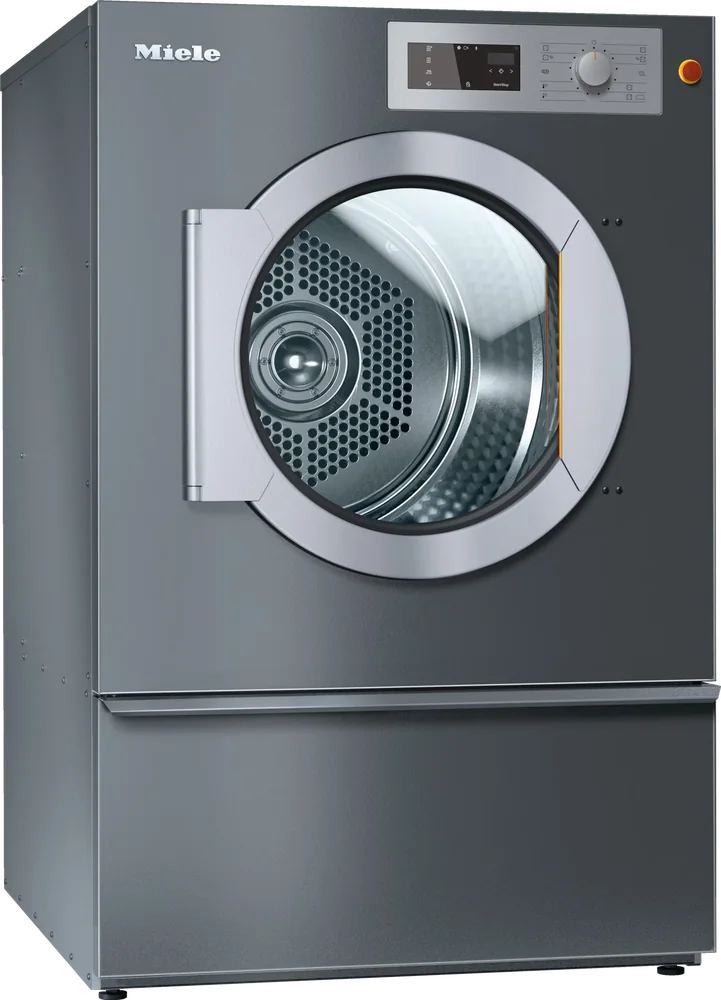
Details – Miele PDR 910Vented dryer, 10–14 kg
3 variants: electric heating, iron grey · electric heating, stainless steel · gas heating, iron grey
Details – Miele PDR 914Heat-pump dryer, 10–14 kg
2 variants: iron grey · stainless steel
Details – Miele PDR 914 HPVented dryer, 13–18 kg
5 variants (heating, colour, power supply)
Details – Miele PDR 918Heat-pump dryer, 13–18 kg
2 variants: iron grey · stainless steel
Details – Miele PDR 918 HPVented dryer, 16–22 kg
5 variants (heating, colour, power supply)
Details – Miele PDR 922Heat-pump dryer, 16–22 kg
2 variants: iron grey · stainless steel
Details – Miele PDR 922 HPSlim 711 mm wide high-capacity dryers for tight spaces.
Heat-pump SlimLine dryer, 8–11 kg
2 variants: 1N AC 230V 50Hz · 3N AC 400V 50Hz
Details – Miele PDR 511 SL ROP HPVented SlimLine dryer, 12–16 kg
4 variants (heating, side panel, power supply)
Details – Miele PDR 516 SL ROP500–800 litre drum, 20–44 kg load for large daily volumes, with electric, gas or steam heating.
Vented dryer, 20–28 kg
2 variants: electric heating · gas heating
Details – Miele PDR 528 ROPVented dryer, 32–44 kg
2 variants: electric heating · gas heating
Details – Miele PDR 544 ROPVented dryer, 20–28 kg
5 variants (heating, colour, power supply)
Details – Miele PDR 928Vented dryer, 32–44 kg
5 variants (heating, colour, power supply)
Details – Miele PDR 944Dryer capacity should always be planned together with the washing machines. If drying is slower than washing, the laundry's output is ultimately determined not by the washing machine but by the dryer.
The Miele Professional dryers below offer professional solutions for different capacities and technical requirements. When choosing the right model, the washing machines in use, the number of daily cycles and the on-site infrastructure are also important.
The choice between the two technologies does not come down to a single factor. The installation environment, the available infrastructure, the desired cycle time, energy consumption and daily workload all count.
The nominal kg rating of a dryer is not enough on its own. The amount of wet textiles arriving from the washing machines per cycle, the type of textiles and the drying time must be considered together. The goal is that drying causes no waiting and does not hold up the next wash cycles. Commercial washing machines
A professional laundry runs smoothly when washing and drying capacities are matched to each other. A dryer that is too small can cause waiting and bottlenecks, while oversized capacity can be an underused investment. Sizing should therefore be based on daily textile throughput and the complete cycle process.
Especially for hotels, guesthouses, cleaning companies and businesses running an on-premises laundry, it is important that textiles are back in use on time. The drying technology is therefore not just a technical choice in itself but part of the overall operating model.
The capacity and number of cycles of the washing machines, the type of textiles and the available drying time must be considered together.
There is no universal answer. The decision should be based on the on-site infrastructure, energy requirements, cycle time and daily workload.
In some systems, yes – but only if the cycles and the daily textile flow do not create a bottleneck.
A design that removes the air produced during drying through a suitable exhaust air system; the installation requirements must be checked on site.
A few basic details are enough for an initial assessment of the right capacity: what textiles or dishes you process, in what quantity, how many hours a day you operate, how much space is available and which utilities are on site.

We always use the cookies required for the site to work. Cookies that measure site traffic are only set with your consent. You can change your decision at any time via the Cookie settings link in the footer. Details in our privacy policy (in Hungarian).