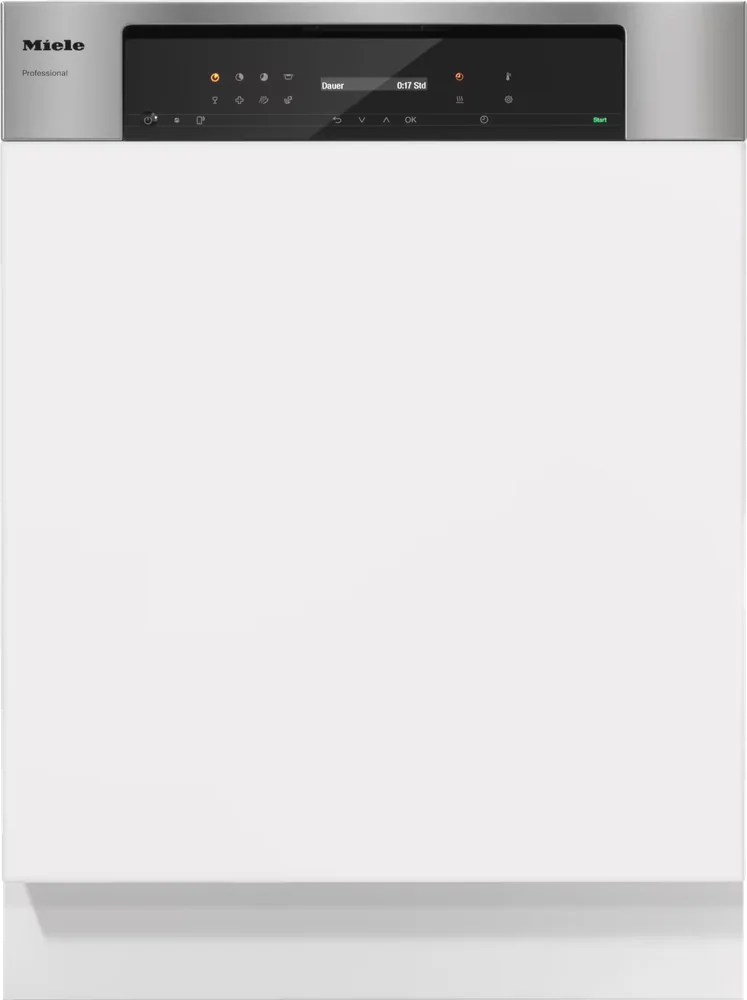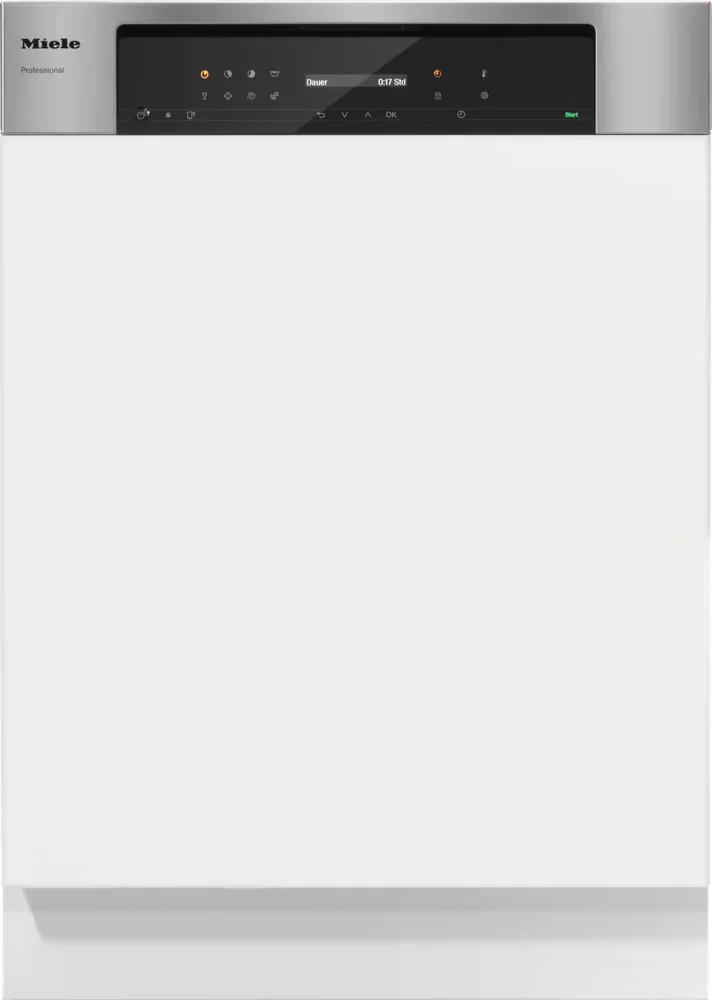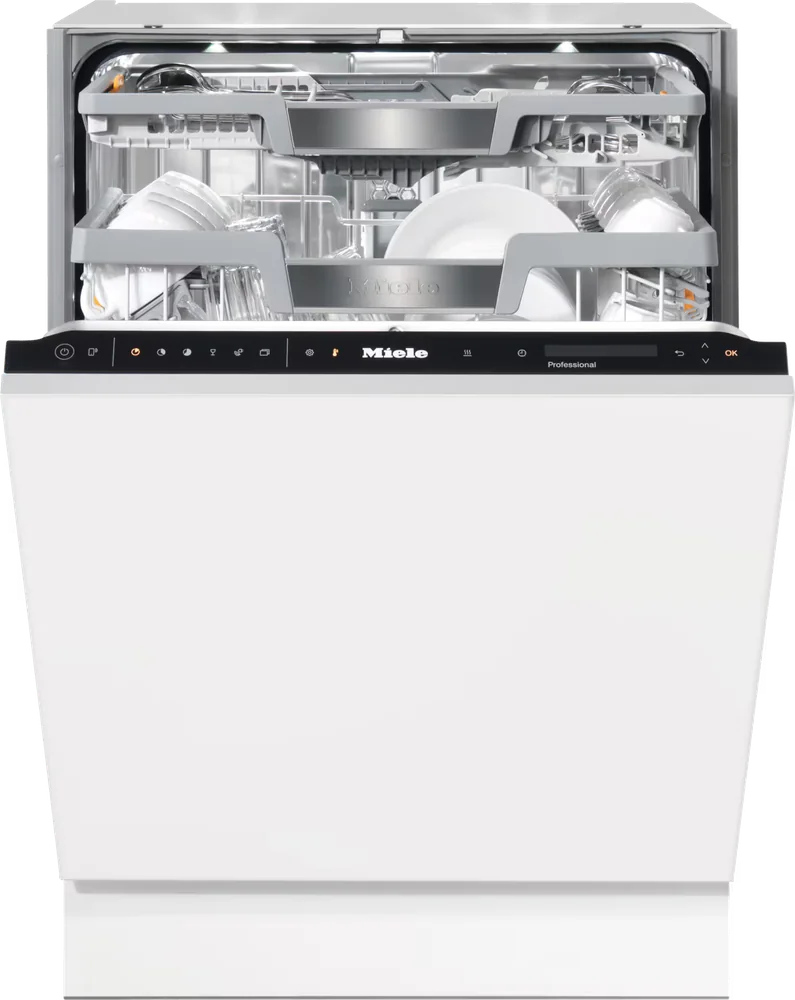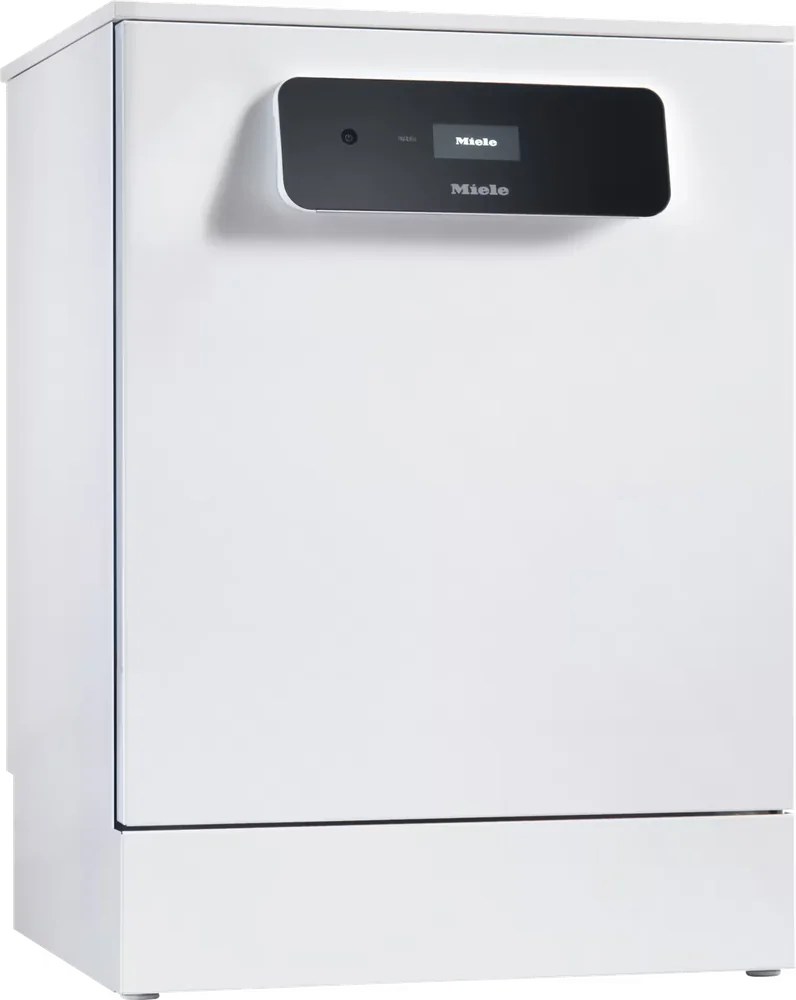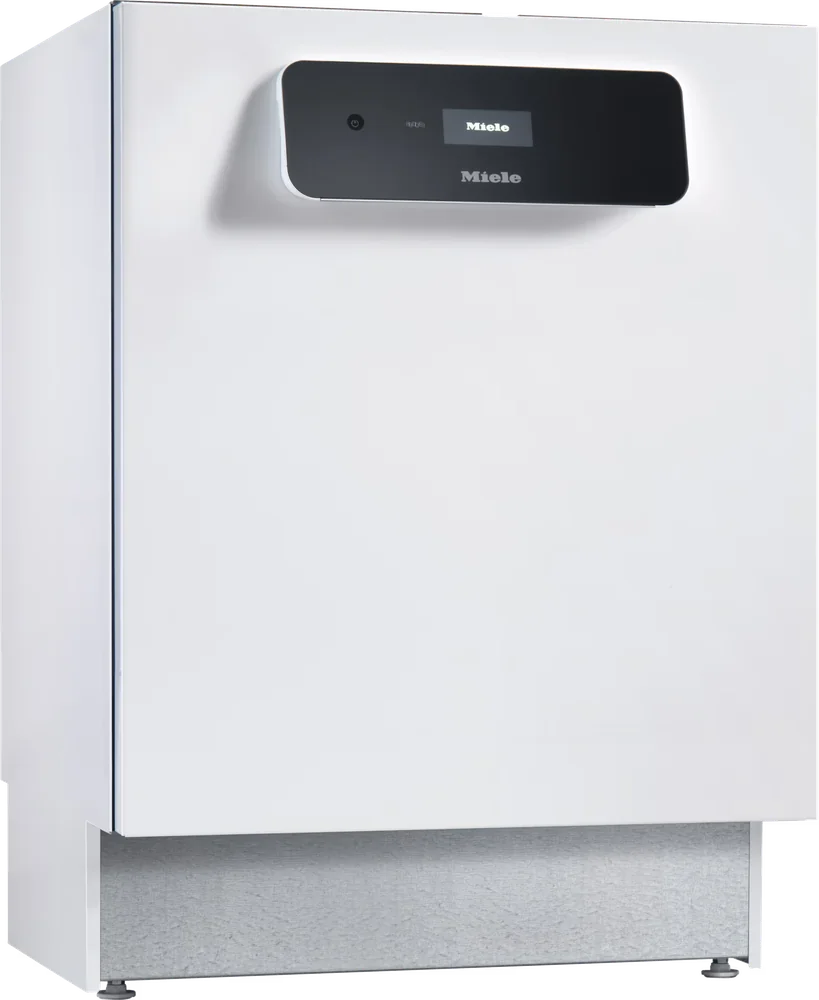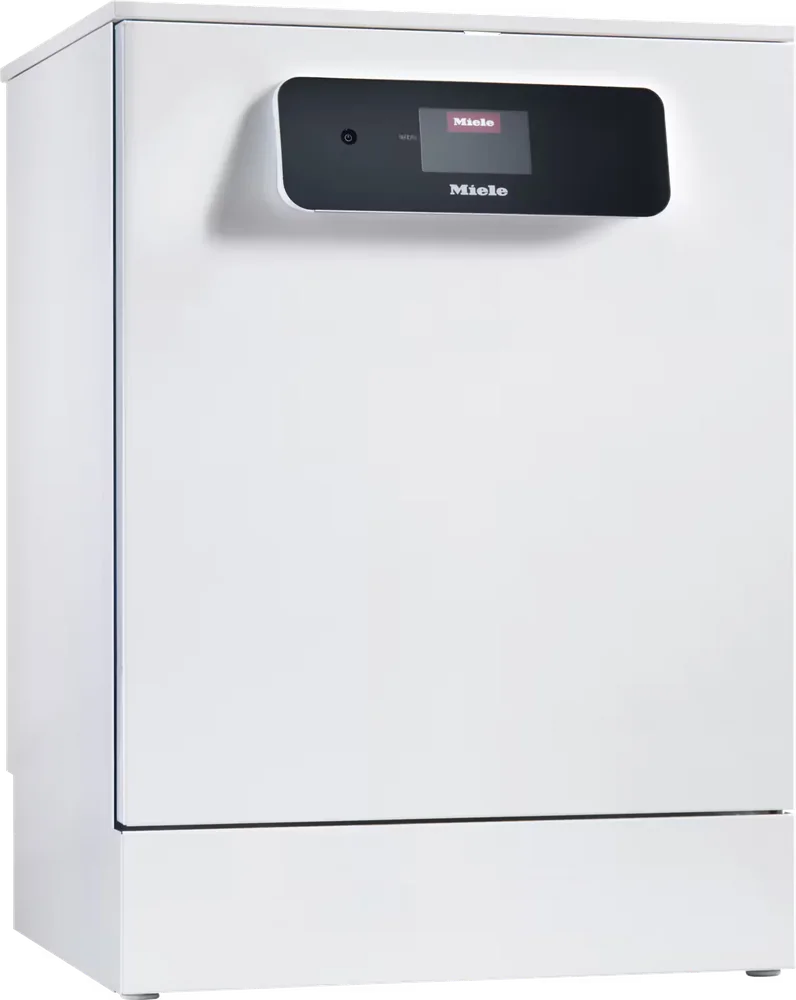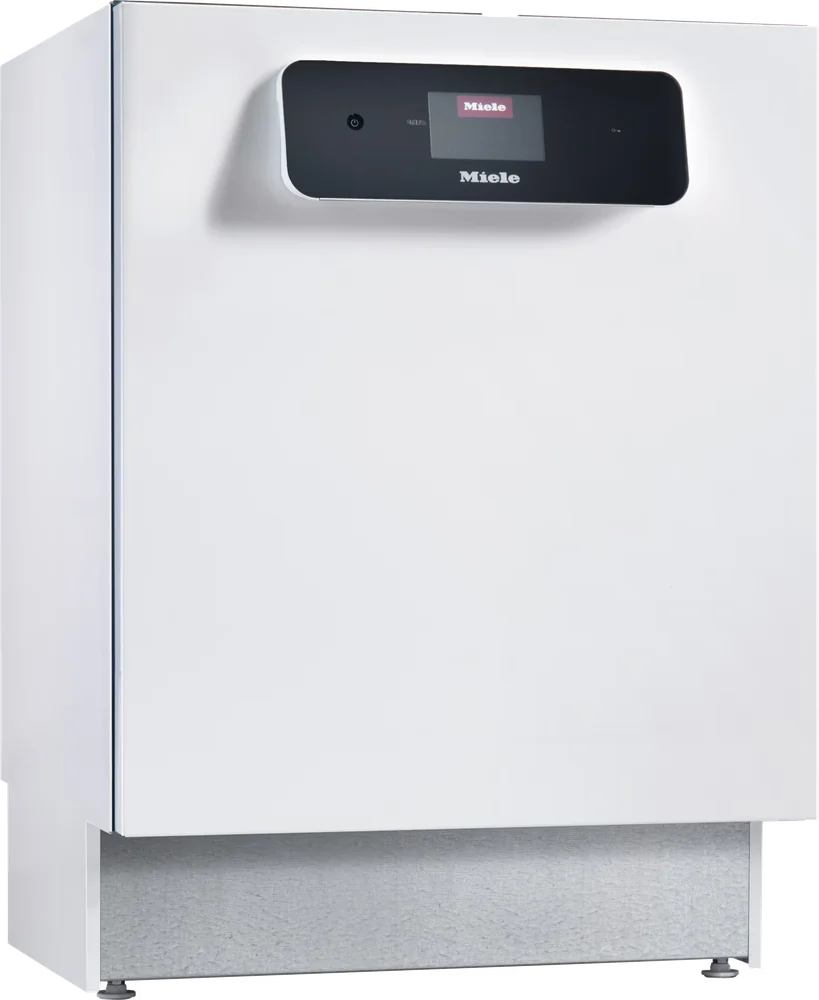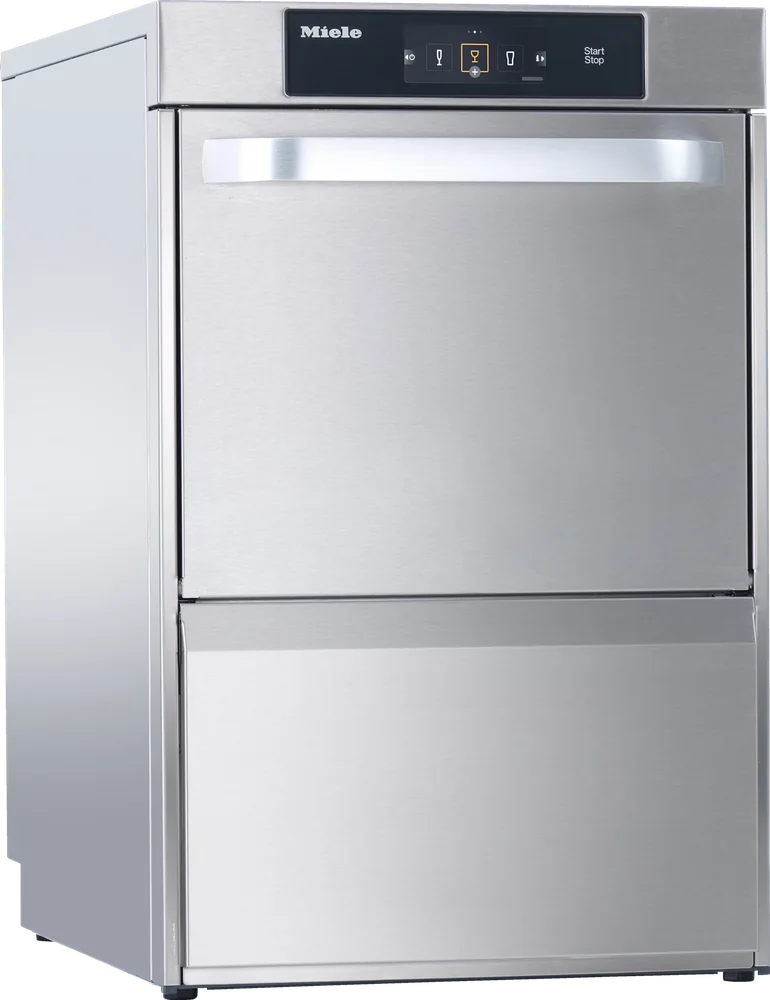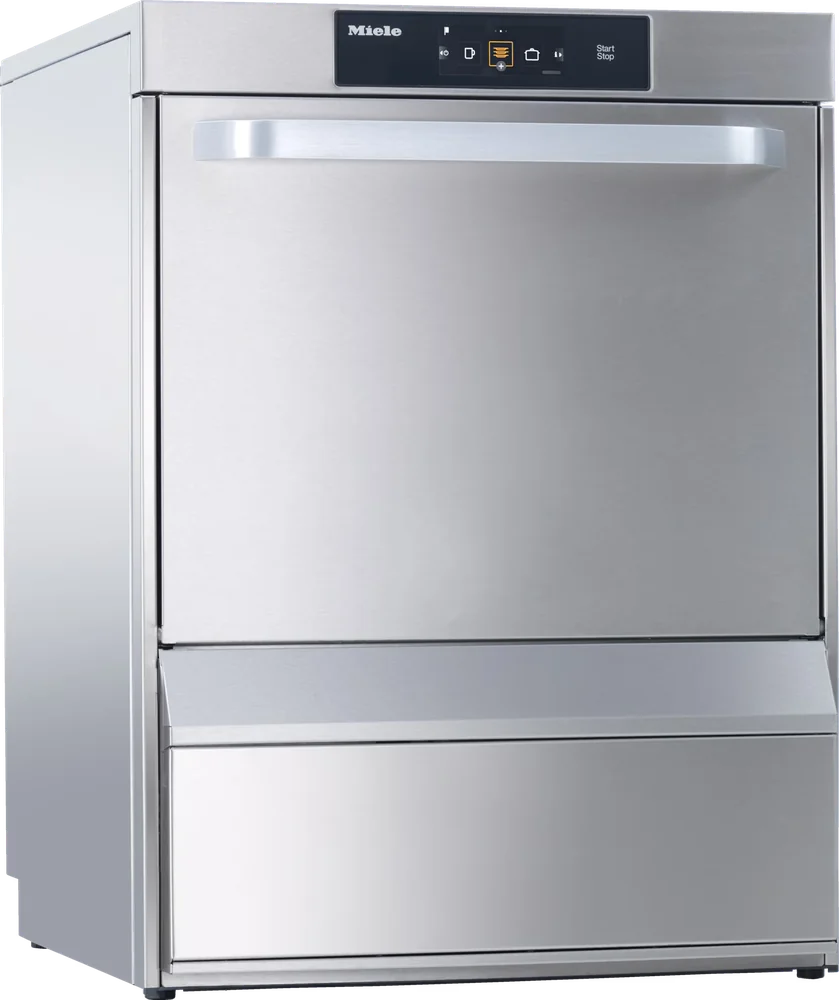
Miele PFD 101
Freestanding fresh-water dishwasher
- Place settings
- 13
- Programme time
- 17 min
- Design
- freestanding

Professional Miele dishwashers for restaurants, hotels, bars and commercial kitchens where dishwashing has to keep pace with operations even at peak times.
11 products
No products match the selected filters.
Compact fresh-water dishwashers for offices, staff kitchens and smaller commercial kitchens.
Freestanding fresh-water dishwasher
Built-in fresh-water dishwasher
Built-in fresh-water dishwasher
Built-in XXL fresh-water dishwasher
Fully integrated XXL fresh-water dishwasher
High-performance fresh-water dishwashers for hospitality and healthcare facilities.
Freestanding fresh-water dishwasher, SpeedPlus
2 variants: lotus white · stainless steel
Details – Miele PFD 401Undercounter fresh-water dishwasher, SpeedPlus
2 variants: lotus white · stainless steel
Details – Miele PFD 401 UFreestanding fresh-water dishwasher, HygienePlus
2 variants: lotus white · stainless steel
Details – Miele PFD 407Undercounter fresh-water dishwasher, HygienePlus
2 variants: lotus white · stainless steel
Details – Miele PFD 407 UTank dishwashers with very short programme times for bars, restaurants and catering.
Tank glasswasher, 46 cm wide
Tank dishwasher, also suitable for undercounter installation
2 variants (water softener, detergent container)
Details – Miele PTD 703The right commercial dishwasher should not be chosen on machine size alone. Peak-time load, cycle time, hourly capacity, type of tableware, available space and water quality together determine which system suits your kitchen.
The Miele Professional dishwashers below offer solutions for different hospitality workloads.
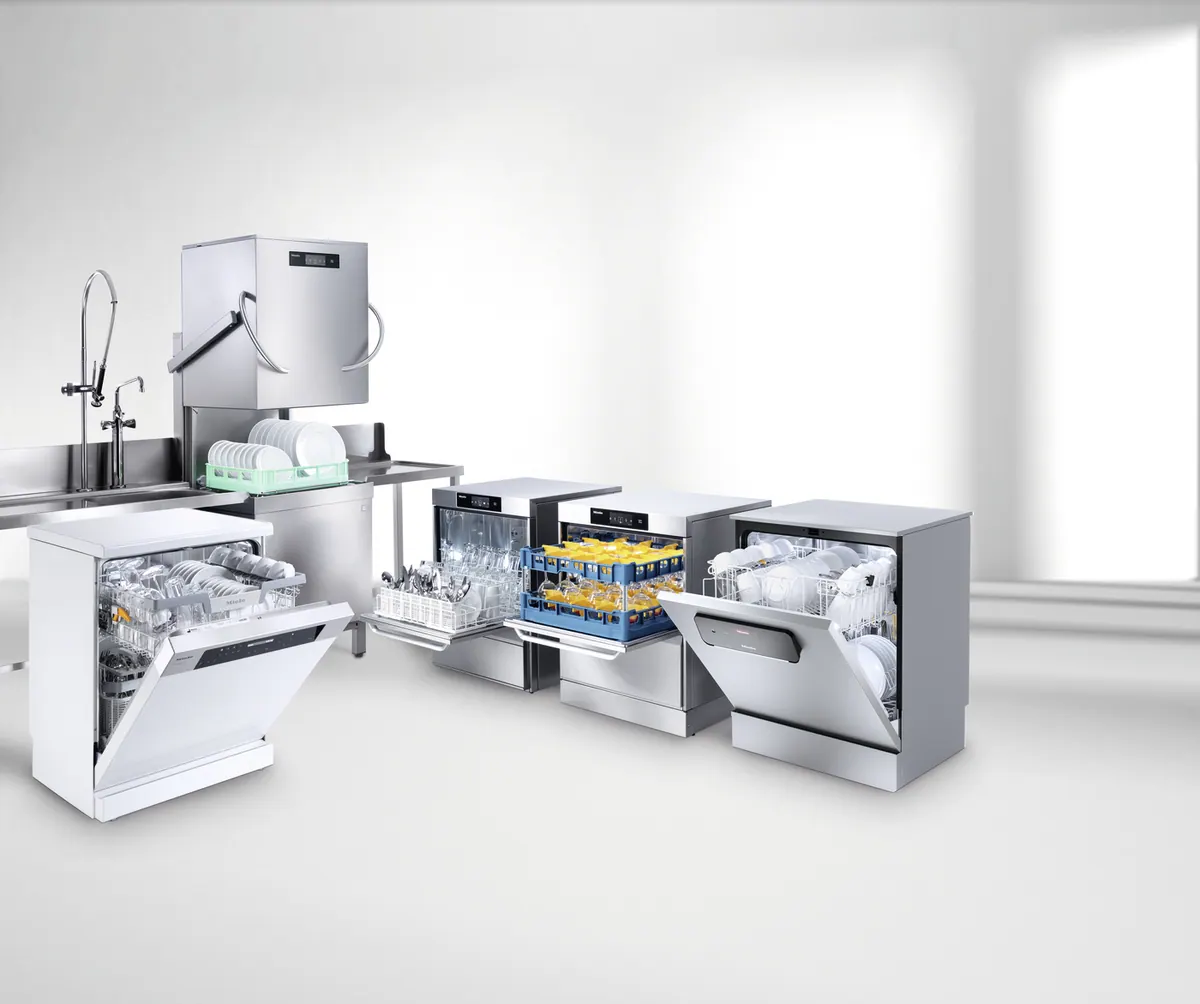
The daily workload of a hospitality venue is rarely even. The machine has to deliver sufficient capacity when large quantities of plates, glasses and cutlery come back to the kitchen in a short time. That is why machine selection is based on the busiest period.
Several designs are available in the current Miele Professional range.
Water quality is not a minor installation detail. It can affect the dishwashing result, glass and tableware surfaces and the long-term operation of the equipment. The water treatment required must always be determined based on site conditions and the manufacturer's specifications.
When choosing a commercial dishwasher, machine capacity must be matched to the kitchen's real workflow. A machine that is too small can cause bottlenecks and shortages of tableware at peak times, while one that is too large can be an unnecessary investment. The right solution handles the busiest period yet can still be sensibly utilised.
Overall operating factors include cycle time, water and energy consumption, dosing, water quality, the rack system, ergonomics, as well as service and maintenance. It is therefore worth treating machine selection as a complete system.
Above all, you need to look at peak-time volume, cycle time, types of tableware, available space and water quality.
When choosing a professional machine, short cycle times, hourly throughput, intensive use and service support are all decisive.
It is a performance figure specified by the manufacturer. Only the official Miele figure and any conditions attached to it may be published on this website.
Because it can affect the dishwashing result, the surfaces of your tableware and the long-term operation of the equipment.
No. The peak-time load and how quickly the tableware must be turned around are more important sizing factors.
A few basic details are enough for an initial assessment of the right capacity: what textiles or dishes you process, in what quantity, how many hours a day you operate, how much space is available and which utilities are on site.

We always use the cookies required for the site to work. Cookies that measure site traffic are only set with your consent. You can change your decision at any time via the Cookie settings link in the footer. Details in our privacy policy (in Hungarian).